All-Inclusive Wedding Venues Near Apex, NC
Shortlist faster (without overthinking it)
Shortlisting works best when you compare venues as a system: arrivals → ceremony → cocktail hour → reception → sendoff.
If you’re still collecting options after you’ve seen 3–5 strong candidates, you’re not getting smarter — you’re getting noisier.
- Pick 3–5 venues you’d actually tour (not just “maybe”).
- Compare total cost structure (what’s included vs add-ons).
- Compare guest experience (parking, flow, transitions).
- Compare photo consistency (light, backdrops, night plan).
- Tour your top two — then decide.
Fast tip: If a space feels easy to navigate without signs, it will feel more luxurious to guests.
What matters for this search
Couples searching all inclusive wedding venue are usually trying to answer one question: “Will this venue make the day feel easy and look amazing?”
- Guest flow: parking → ceremony → cocktail hour → reception
- Photo consistency: flattering light, clean backdrops, multiple locations
- A real weather backup: layout + lighting + flow (not just “we move inside”)
- What’s included vs add-ons: rentals, staffing windows, access hours
- Clear package inclusions in writing
- A timeline owner (and how they keep it on track quietly)
Local note for Apex guests: routes like US-64 and US-1 can affect arrival timing — build a buffer into your ceremony start time.
Questions that prevent budget surprises
A tour should answer logistics, not just show pretty corners. Bring this list and you’ll avoid the most common regrets.
- What’s included in the base package vs add-ons (tables, chairs, staffing windows, setup time)?
- What time can we access the space, and what’s the cutoff time?
- Where do vendors load in, and will guests ever see it?
- Where do guests wait pre-ceremony — and is it comfortable in the season we’re booking?
- Show me ceremony, cocktail hour, and reception flow — where do guests go next at each step?
- What’s truly included (staffing, setup/teardown, coordination support) vs optional?
- Who owns the timeline on wedding day and how do they keep it on track quietly?
Pro move: ask the venue to walk you through a realistic timeline for your guest range. If they can’t, that’s a signal.
Arrivals (the first impression guests actually feel)
Arrivals are the first impression guests actually feel. When arrivals are smooth, everything downstream improves: ceremony starts on time, photos aren’t rushed, and the room stays energized.
Arrival checks
- Confirm parking capacity and where overflow goes (before you need it).
- Verify accessibility: walking distance, slopes, and restroom proximity.
- Create a simple guest travel page (hotels + directions + timing) once your date is set.
- Ask where guests wait pre-ceremony and whether it’s shaded/comfortable.
- Plan a ceremony start time that builds a travel buffer for your biggest guest cluster.
Drive-time note
From Apex, typical corridors include US-64 and US-1. Build a buffer into your start time and the entire day feels calmer.
A smooth arrival is a photo advantage too — it keeps you and your family from showing up flustered.
Timeless photos: what to verify
If you’re comparing venues near Apex, your album depends on consistency: multiple clean backdrops, flattering light, and a night plan.
- Verify the indoor backup is photo-worthy (not a dark corner with folding chairs).
- Ask how reception lighting is handled after sunset (this is where ‘nice’ becomes ‘cinematic’).
- Ask for full galleries from your season (highlight reels can hide weak spots).
- Evaluate ceremony lighting direction at your planned time, not at noon on a tour.
- Look for uncluttered backgrounds: vendor stations, storage doors, random signage — it all shows.
- Confirm at least 3 portrait locations that don’t require you to disappear for an hour.
The avoid-this list (save it)
These issues don’t show up in staged photos — they show up on wedding day. Save this list.
- Forgetting access hours — tight windows create chaos behind the scenes.
- Assuming the rain plan is fine without seeing it staged for a real guest count.
- Falling for one ‘wow’ photo spot but ignoring the guest journey between moments.
- Letting vendor load-in be visible because it wasn’t planned.
- Not verifying what’s included vs what triggers rentals and staffing add-ons.
- Choosing a layout that looks great empty but feels cramped when full.
FAQs couples actually ask
What should all-inclusive include?
Clear staffing support, structured timeline help, setup/teardown guidance, and transparent package options — confirmed in writing.
Does all-inclusive actually reduce stress?
Usually yes — fewer vendors, fewer handoffs, fewer rentals, and fewer last-minute surprises.
Best first question to ask?
“Walk me through a real wedding day timeline for my guest range.” If they can’t, that’s a red flag.
Will all-inclusive feel generic?
Not if the venue has strong defaults and lets you personalize where it matters (ceremony look, florals, music, signature bar).
How do we evaluate an all-inclusive package quickly?
Ask what decisions it removes and request a sample timeline for your guest count.
Visual tone (so you can decide faster)
If you’re a visual planner, scan this strip to confirm the look matches your vision (especially lighting + texture).
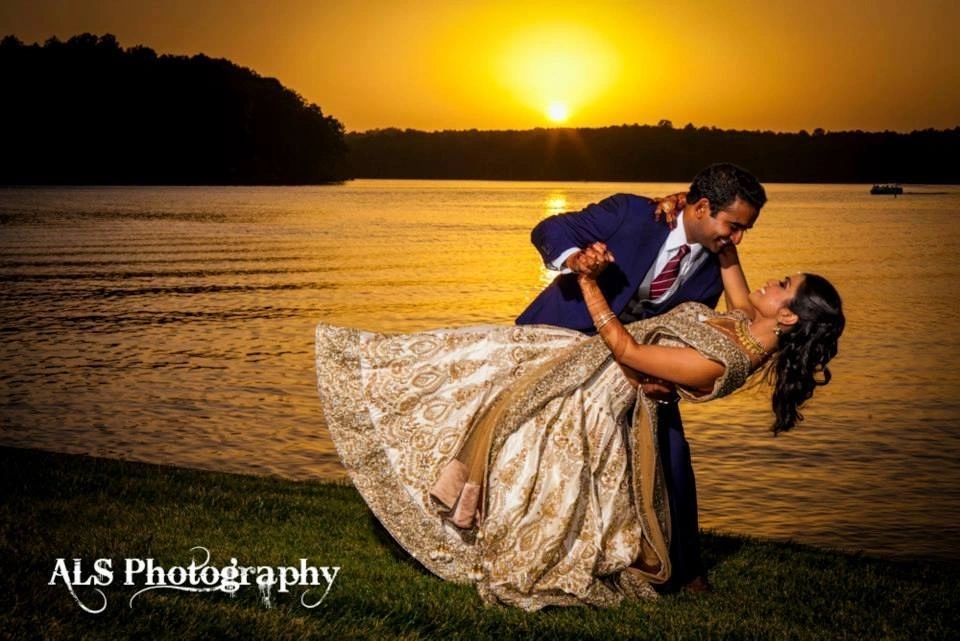
Warm light + clean backdrops = timeless images.
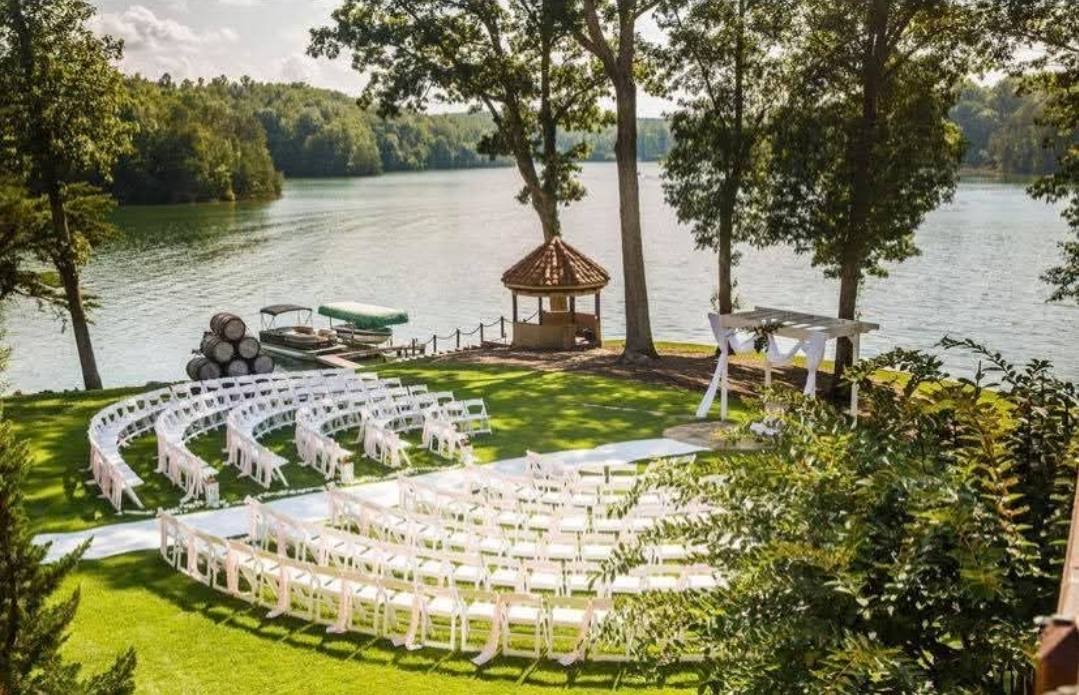
Guests remember comfort and transitions as much as scenery.
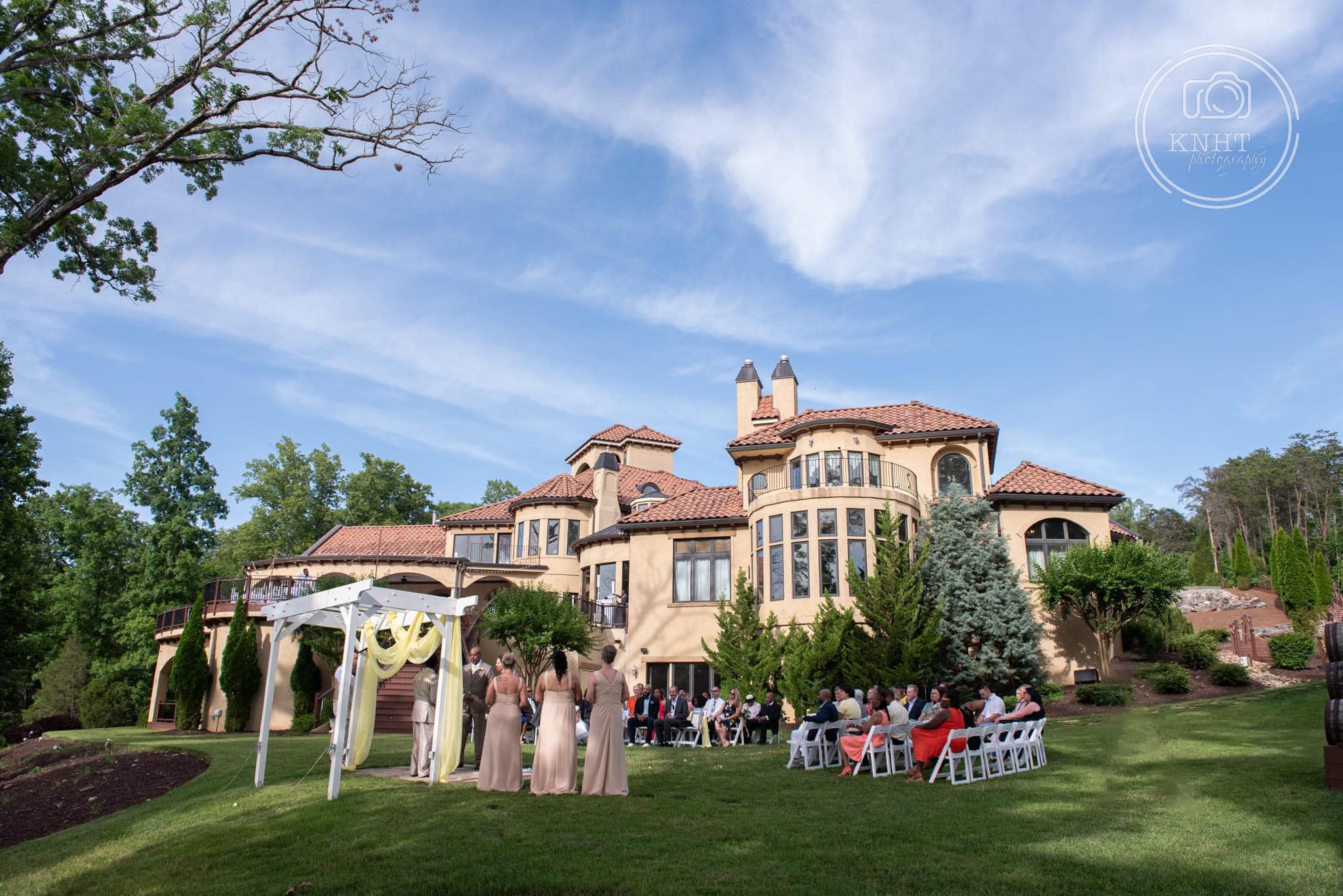
Italian-inspired textures without leaving the state.
Next steps (book without stress)
Start with availability. Then tour your top two. Once your date is secured, vendors become dramatically easier to book.
Fast answer option: share your date + guest count and we’ll recommend the cleanest layout and best timing.